White Label Crypto Convert Platform
Launch a branded crypto conversion experience that gives users a simpler way to exchange supported digital assets.HashCash provides crypto swap software that can operate within a wider exchange environment, connecting the conversion experience with supported assets, pricing, liquidity, wallets, transactions, APIs and administrative controls.
A Simpler Way to Exchange Digital Assets
A crypto convert platform is designed for users who want to exchange one supported asset for another without navigating the full complexity of an order-book trading interface. Instead of selecting a trading pair, analysing market depth and configuring an order, the user can select the assets, enter an amount, review the quoted conversion and confirm the transaction.
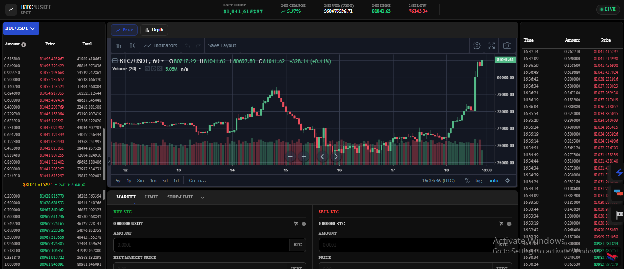
This makes Convert a complementary exchange function rather than a replacement for Spot Trading. Spot remains suited to users who want order-book visibility and greater control over trading orders, while Convert provides a more focused route for straightforward asset swaps.
Crypto Convert Platform Services
HashCash can provide the conversion layer as part of a broader exchange infrastructure. The exact assets, markets, integrations and functions can be configured around the requirements of the exchange deployment.
How Crypto Conversion Works
The conversion process should make the transaction easy to understand from the first asset selection through confirmation. A typical workflow can be structured around the following steps.
Select the asset to convert.
Select the asset to receive.
Enter the amount.
Receive the applicable conversion quote.
Review the rate, expected output and applicable transaction information.
Confirm the conversion.
Record the completed transaction in the relevant account and transaction history.
A Purpose-Built Crypto Conversion Interface
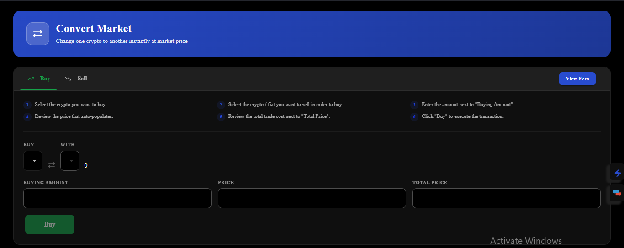
The Convert interface should keep the transaction focused. Users should be able to see the information needed to complete a swap without moving through the full Spot trading terminal.
A dedicated interface can bring together asset selectors, conversion amount, quoted price, expected output, fees where applicable and confirmation controls. This creates a clear transaction path while keeping the visual experience consistent with the exchange's overall brand.
Pricing, Quotes & Transaction Review
A quote-based conversion experience should give users relevant transaction information before confirmation. HashCash’s interface can display the conversion rate, input amount, expected output and applicable fees or charges where configured.
The quote stage is one of the main differences between a Convert experience and conventional Spot trading. Current Convert products from major exchanges also emphasize previewing the conversion result before the user confirms it.
Key Information Displayed
Supported Assets & Liquidity Infrastructure
The usefulness of a crypto convert platform depends on the assets and markets available to users and the liquidity supporting those conversions. HashCash's broader exchange infrastructure includes exchange asset management, liquidity management and integration with other exchanges, alongside wallet and trading functionality.
For a Convert deployment, the available assets and conversion paths should be determined by the configured exchange environment. This allows the business to define which digital assets and markets are available rather than treating conversion as an isolated feature.
Wallet & Balance Integration
A conversion transaction is directly connected to the assets available in the user's exchange account. The Convert experience can therefore operate alongside the exchange's wallet and balance environment, giving users the relevant account context before and after a swap.
HashCash's exchange product specifications include wallet management, deposit and withdrawal functions, transaction history and related user-account modules.
API & Exchange Integration
HashCash’s Convert module can work within the wider exchange infrastructure, allowing connected applications and services to access supported conversion functions through controlled API access. API management and API-key controls help operators manage how external applications interact with the exchange.
Key Capabilities
Transaction History & Operational Visibility
Every completed conversion should remain traceable within the exchange environment. Users can review their conversion activity through account history, while operators can monitor transactions and access reporting tools for day-to-day exchange operations.
Key Capabilities
HashCash’s exchange infrastructure includes transaction history, transaction management, reporting, and report management across user and administrative environments.
Administrative Controls
A streamlined conversion interface still requires a strong operational layer behind it. HashCash provides administrative controls for managing the exchange environment, including users, transactions, liquidity, wallets, assets, APIs, and reporting.
Key Administrative Controls
- User Management
- Transaction Management
- Liquidity Management
- Wallet Management
- Exchange Asset Management
- Report Management
- API Management
- Platform Settings & Access Controls
These controls allow operators to manage the infrastructure supporting the Convert experience from a centralized administrative environment.
Crypto Convert vs Spot Trading
Both functions can exist within the same exchange, but they serve different trading workflows.
| Comparison Point | Crypto Convert | Spot Trading |
|---|---|---|
| Trading Method | Uses a quote-based process to convert one supported digital asset into another. | Uses an order book where users place buy or sell orders for a specific trading pair. |
| User Experience | Provides a simplified interface focused on completing an asset conversion. | Provides a detailed trading interface with market data, charts, orders and trading controls. |
| How Users Start | Select the asset they want to convert, choose the asset they want to receive, and enter the amount. | Select a trading pair and choose an order type before entering the required order parameters. |
| Price & Result | Users review the quoted conversion rate and expected amount before confirming. | Users determine their order price or execution conditions based on the available market and order type. |
| Transaction Flow | Review the conversion details and confirm the swap. | Submit the order and monitor its execution through the trading interface. |
| Primary Use | Suited to users looking for a straightforward way to exchange supported digital assets. | Suited to users who want greater control over their trading orders and market execution. |
Why Choose HashCash for a White Label Crypto Swap Platform?
How Crypto Convert Fits Into the Exchange
Crypto Convert Interface
The user-facing environment for initiating and reviewing asset conversions.
Asset Selection + Quote / Pricing
Users select the assets and receive the applicable conversion quote before confirming.
Liquidity / Market Infrastructure
Liquidity and market connectivity support the pricing and execution of conversions.
Transaction Processing
The confirmed conversion moves through the exchange’s transaction workflow.
Wallet + Account Balance + Transaction History
Balances and account records are updated so users can track their conversion activity.