White Label NFT Marketplace
Launch a branded NFT marketplace where creators can build collections, users can discover and trade digital assets, and ownership can be tracked through blockchain-based transactions.HashCash's white label NFT marketplace is designed to bring marketplace, wallet and blockchain workflows into a configurable platform built around your business model.
Build an NFT Marketplace Around the Way You Want to Trade
An NFT marketplace is more than a gallery of digital collectibles. It is a transaction environment connecting creators, collections, buyers, sellers, wallets, smart contracts and blockchain networks. A marketplace therefore needs to make both discovery and ownership workflows clear while giving the operator control over how the platform is configured.
HashCash brings NFT marketplace functionality into a broader blockchain environment. Its public NFT-development offering covers marketplace platforms, smart-contract-driven NFT creation and proof of digital ownership, while the broader HashCash architecture provides wallet, exchange, liquidity, API and digital-asset infrastructure that can support connected marketplace operations.
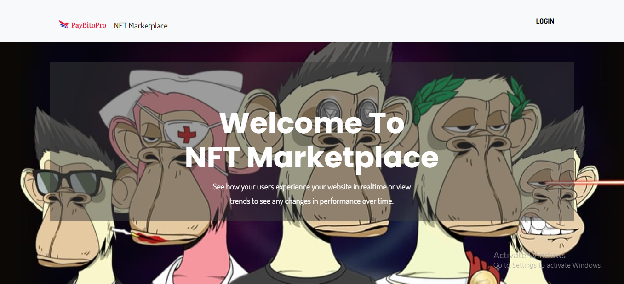
Create, Organize and Mint NFT Collections
Creators need a structured path from a digital asset to a tradable NFT. The researched marketplace workflow supports collection creation, NFT metadata, blockchain-network selection and minting. HashCash's public NFT material also describes smart-contract support for token creation and metadata fields that help trace the origin of the tokenized object.
Create Collection
Define the collection's identity, description, category, and other basic details.
Configure Blockchain
Select the supported blockchain network for the NFT's deployment.
Add NFT Details
Upload the digital asset and provide its name, description, traits, and metadata.
Set Marketplace Parameters
Configure creator earnings and other supported marketplace parameters.
Mint NFT
Mint the NFT through the configured blockchain and smart-contract workflow.
NFT Marketplace Core Capabilities
How the HashCash NFT Marketplace Works
Keep the marketplace explained as a complete asset-to-ownership workflow rather than a generic blockchain architecture.
- Create / Mint — A creator prepares a collection and creates the NFT through the configured minting workflow.
- List — The NFT is made available for the marketplace's supported sale mechanism.
- Discover — Buyers browse collections, inspect NFT details and evaluate available assets.
- Buy / Offer — The buyer initiates the supported purchase or offer workflow.
- Wallet Review — The relevant transaction details are reviewed and authorized through the configured wallet flow.
- Blockchain Settlement — The transaction is processed on the selected blockchain.
- Ownership Updated — The marketplace reflects the resulting ownership and activity information.
NFT Discovery and Collection Experience
A marketplace needs to help buyers move from broad discovery to a specific NFT. Collection pages, creator profiles, categories, traits, favorites and NFT detail pages create different entry points into the marketplace. HashCash's product interface explicitly includes collections, favorites, creator profiles, owned and created NFTs and NFT traits.
Creator Economics and Marketplace Revenue
Marketplace economics should be explained as configurable business logic rather than a fixed promise. The researched model identifies transaction commissions on NFT sales and resales, creator-related economics and additional marketplace services as possible revenue streams. Creator earnings or royalty settings may also be part of the NFT's sale logic where the underlying smart contracts and marketplace configuration support them.
Wallet Integration and Ownership
NFT ownership becomes actionable when the marketplace is connected to wallet infrastructure. HashCash's wider wallet architecture supports digital-asset management and transaction operations, while its DEX architecture demonstrates wallet-connected transaction signing and blockchain confirmation flows. For the NFT marketplace, wallet functionality should be described around supported connection, transaction authorization and ownership movement rather than promising a specific wallet list unless confirmed.
Connect Wallet
View NFT
Review Action
Authorize
Blockchain
Ownership / History
Smart Contracts and NFT Standards
Smart contracts determine how NFT creation, transfers and marketplace rules are executed on-chain. HashCash explains that ERC-721 is designed for unique NFTs, while ERC-1155 can support both fungible and non-fungible assets and can be useful for multi-asset applications. The marketplace page can introduce these standards educationally without locking every HashCash deployment to one token standard.
ERC-721
Commonly used where each NFT is unique.
ERC-1155
Supports multiple token types within a contract and can suit applications with diverse digital inventories.
Smart-contract logic
Defines how minting, transfers and selected marketplace rules operate.
Metadata
Provides information that helps describe and distinguish NFTs.
Network selection
Determines the blockchain environment on which the NFT is deployed.
Build for Different NFT Marketplace Models
| Marketplace model | Positioning |
|---|---|
| Open Marketplace | Allow multiple creators and collections to participate in a broader discovery and trading environment. |
| Brand-Owned Marketplace | Create a dedicated marketplace for a brand's own digital collectibles, memberships or experiences. |
| Creator Marketplace | Focus the experience around artists, musicians, designers or other creators and their collections. |
| Gaming Marketplace | Support the trading of game-related digital assets where the underlying game and token architecture allow it. |
| Community Marketplace | Build a marketplace around a specific community, membership model or digital ecosystem. |
Connect the NFT Marketplace to a Broader Digital-Asset Stack
The strongest commercial positioning is to show the NFT marketplace as part of a broader digital-asset platform. HashCash includes exchange, wallet, liquidity, API, transaction and reporting components, while its digital-asset platform connects smart contracts and wallet infrastructure to broader enterprise workflows.
White Label Crypto + NFT Marketplace
A white label crypto business can extend its product ecosystem with a branded NFT marketplace, allowing users to discover, create, buy, sell and manage NFTs within the same broader digital-asset environment. The marketplace can be positioned as a dedicated product module or as part of a wider exchange and Web3 offering, depending on the deployment.