Exchange KYC Partners
HashCash works with specialist KYC partners to support identity verification for customers joining exchanges built on its white-label exchange platform.KYC as Part of the HashCash Exchange Experience
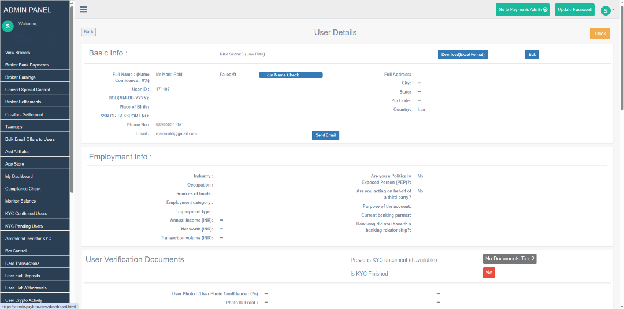
KYC is not a standalone service offered separately from the exchange platform. It is one of the functions involved in onboarding customers to an exchange. HashCash provides the exchange environment, while specialist KYC partners support the identity-verification stage of the customer journey. This keeps verification connected to the wider exchange workflow rather than treating it as an unrelated external process.
The exact information, checks and approval process can vary according to the exchange business, customer base, operating markets and applicable requirements.
How KYC Works for Customers on a HashCash Exchange
Customer Registration
A customer begins the account-registration process on the branded exchange.
KYC Information
The customer provides the identity information and supporting documents requested by the configured onboarding process.
Identity Verification
The relevant KYC partner performs the applicable verification checks.
Verification Result
The verification outcome is returned to the exchange workflow.
Account Review
The exchange can apply its configured account and onboarding rules to the verification result.
Exchange Access
The customer's account status determines access to the exchange functions available to that account.
Our KYC Partner Network
HashCash works with external KYC partners as part of the identity-verification process used within its exchange onboarding workflow. These specialist companies provide verification capabilities that can be used when customers are onboarded to an exchange platform.
The partner used for a particular exchange can depend on the exchange's requirements, operating markets and onboarding workflow.





Partner names and marks are the property of their respective owners and are shown for identification purposes only.
What the KYC Partner Handles
The KYC partner is responsible for the specialist verification activity connected to the onboarding workflow. Depending on the partner and configured process, this may include the activities below.
Identity information and document checks
Review the identity information and supporting documents supplied during onboarding.
Customer verification workflows
Run the verification process configured for the exchange's onboarding journey.
Verification result generation
Produce the verification outcome for the submitted customer information.
Additional identity signals or checks
Apply the further checks supported by the selected partner.
Returning verification status
Return the verification status to the exchange workflow.
What HashCash Handles
KYC is one part of a much larger exchange environment. HashCash provides the exchange platform and the surrounding operational components needed to run the exchange.
| Exchange component | Role |
|---|---|
| White-Label Exchange Platform | Provides the branded exchange environment and core exchange functionality. |
| Customer Onboarding | Provides the account-registration and onboarding workflow into which verification is incorporated. |
| KYC Partner Connection | Connects the configured onboarding process with the relevant verification partner. |
| Exchange Administration | Provides operational controls for managing users, accounts and exchange activity. |
| Wallet Infrastructure | Supports deposits, withdrawals, custody and asset movement within the exchange environment. |
| Transaction Management | Handles exchange-side transaction workflows, records and operational review. |
| Reporting & Analytics | Provides reporting and visibility across relevant exchange activity. |
| Security | Supports the broader security controls used across the exchange platform. |
KYC for a White-Label Crypto Exchange
A white label crypto exchange needs more than a branded trading interface. Customer registration, identity verification, AML and account controls also form part of the exchange's operating workflow.
With HashCash, KYC is incorporated into that broader exchange environment. Specialist KYC partners support the identity-verification stage, while the exchange platform handles the surrounding registration, account and operational functions. This approach allows an exchange business to launch under its own brand while using established verification partners as part of its customer onboarding process.
Why Exchange Businesses Use KYC Partners?
KYC and the Rest of the Exchange Infrastructure
The KYC process does not operate in isolation. Once a customer has completed onboarding, the exchange's other infrastructure becomes responsible for the activities available to that account.
Customer
Registration
KYC Partner Verification
Account Status
Exchange
KYC Across Different Exchange Models
The KYC approach depends on the exchange architecture, customer journey, and services offered. HashCash connects its KYC partner ecosystem with the relevant exchange workflows based on these requirements.
Where KYC Fits After Customer Onboarding
| Function | What it handles after onboarding |
|---|---|
| Wallet Infrastructure | Asset storage, deposits, withdrawals and asset movement. |
| Transaction Management | Transaction status, processing, records and operational review. |
| Admin Panel | User, account and exchange administration. |
| Reporting & Analytics | Operational, transaction and trading information. |
| Security | Security controls across the exchange environment. |
| Trading Infrastructure | Markets, orders, execution, liquidity and trading activity. |
Choosing the KYC Setup for an Exchange
Choosing a KYC partner is not simply about selecting a verification provider. HashCash works with its KYC partner ecosystem to help align the verification layer with the exchange model, target markets, onboarding requirements, and the wider platform architecture.
Target Markets & Jurisdictions
Identify the countries and markets the exchange intends to serve so the appropriate verification approach and partner coverage can be considered.
Customer Onboarding Requirements
Define the types of customers the exchange plans to onboard and the identity information required during registration and verification.
Identity & Document Verification
Determine the identity, document, biometric, or other verification checks required and match them with the capabilities available through the relevant KYC partners.
Account Verification Workflow
Configure how verification results can feed into the exchange's account status, including approval, additional review, or other supported account actions.
Integration With Exchange Operations
Connect the KYC workflow with the broader exchange environment, including user management, wallets, transactions, trading, reporting, and administration.
Partner-Supported Configuration
HashCash can help businesses evaluate the exchange model and onboarding requirements and determine the appropriate KYC partner-supported setup for the intended deployment.
The right KYC architecture depends on the exchange's business model, operating markets, customer base, provider capabilities, and applicable requirements. HashCash provides the technology and integration framework to connect KYC partners with the exchange workflow, while the exchange operator remains responsible for understanding and meeting its applicable legal and regulatory obligations.